

Summer is the season of movement. From vacations and outdoor festivals to long walks on the beach and family travel, warmer months naturally increase physical activity. For men living with plantar fasciitis, however, these activities can quickly become painful and exhausting. What should feel enjoyable often turns into constant discomfort with every step.
Plantar fasciitis is one of the most common causes of chronic heel pain. The condition develops when the plantar fascia, a thick band of connective tissue running along the bottom of the foot, becomes irritated and degenerative over time. While many people assume the condition is simply inflammation, modern clinical research shows that chronic plantar fasciitis often involves structural tissue breakdown and collagen degeneration rather than inflammation alone.
At Hightower Men’s Clinic, treatment focuses on addressing the underlying tissue damage contributing to persistent pain. Through regenerative, non surgical therapies designed to support circulation and tissue repair, many men are able to return to walking, travel, and outdoor activity with greater comfort and confidence.
Why Plantar Fasciitis Often Gets Worse During Summer
During summer, activity levels tend to increase significantly. Men often spend more time walking through airports, standing for long periods at outdoor events, wearing unsupportive sandals, or hiking on hard surfaces. These repetitive stressors place an immense physical load on the plantar fascia. Once the tissue becomes overloaded, painful microtears can develop along the fascia attachment near the heel bone.
According to data from the American Academy of Orthopaedic Surgeons, plantar fasciitis is especially common among individuals between the ages of 40 and 60, but it frequently impacts active adults of any age. Without proper intervention, these microtears fail to heal correctly, causing symptoms to become chronic and progressively more limiting.
Common Signs of Chronic Plantar Fasciitis
Many men delay treatment because they assume foot pain will eventually resolve on its own. However, persistent symptoms usually indicate ongoing tissue degeneration that requires professional oversight. Common symptoms include:
- Sharp, stabbing heel pain during the first steps in the morning
- Intense pain after long periods of standing or walking
- Noticeable tightness in the foot arch or Achilles tendon
- Burning or aching sensations concentrated in the heel
- Increased discomfort immediately following exercise or travel
Over time, compensating for foot pain alters your natural gait. This structural shift can contribute to secondary strain in the knees, hips, and lower back.
Why Traditional Treatments Provide Only Temporary Relief
Conventional plantar fasciitis care usually focuses on reducing immediate symptoms rather than improving the quality of the underlying tissue.
Rest and Ice Reduce Irritation but Not Degeneration
Temporary rest may calm acute irritation, but damaged fascia tissue requires active biological repair and blood flow to fully recover and regain its strength.
Orthotics Support the Foot but Do Not Heal Tissue
Shoe inserts can reduce mechanical strain, yet they do not stimulate circulation or trigger the collagen remodeling necessary within the fascia itself.
Steroid Injections Carry Risks
Corticosteroid injections offer short term pain reduction. However, repeated injections are clinically associated with the weakening of connective tissue and an increased risk of permanent fascia rupture.
Pain Medication Masks Symptoms
Anti inflammatory medications reduce discomfort temporarily but completely ignore the structural breakdown occurring within the tissue, allowing the degeneration to progress.
Because chronic plantar fasciitis is a degenerative structural issue, men benefit significantly more from regenerative approaches focused on true healing rather than symptom suppression.
How Regenerative Therapy Supports Plantar Fascia Repair
At Hightower Men’s Clinic, regenerative protocols are designed to stimulate the body’s natural healing response directly within the damaged soft tissue.
Targeted Pulse Wave Therapy (PWT)
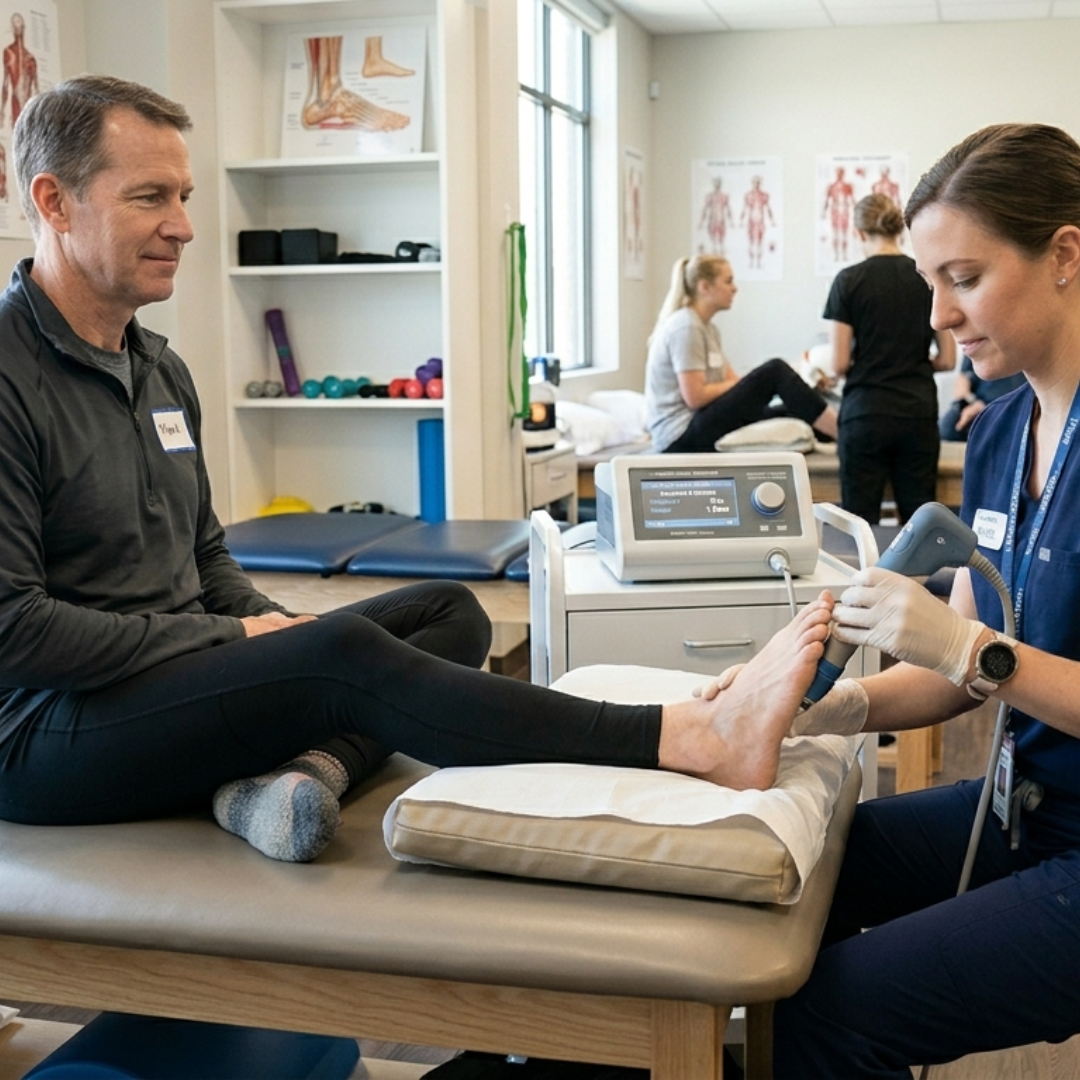
Pulse Wave Therapy uses low intensity acoustic waves applied externally to the injured area. These acoustic pulses stimulate a biological process known as mechanotransduction, which activates cellular repair mechanisms. Clinical research suggests this therapy helps improve blood flow to damaged tissue, stimulate collagen production, promote tissue remodeling, reduce chronic pain signaling, and improve flexibility and tissue resilience. Because the treatment is non surgical and non invasive, patients can typically return to normal daily activities immediately after sessions.
Enhanced Circulation Supports Healing
One of the primary challenges in plantar fasciitis recovery is poor circulation near the dense heel attachment site. Regenerative therapy helps stimulate angiogenesis, which is the formation of new micro blood vessels that improve nutrient and oxygen delivery to the tissue. Better circulation supports long term tissue recovery and resilience.
Reduction of Chronic Tissue Stress
Regenerative therapies help reduce persistent inflammatory signaling within the fascia, allowing the tissue environment to shift away from degeneration and toward active repair.
The Connection Between Foot Pain and Overall Wellness
Chronic foot pain affects far more than walking comfort. Reduced mobility can contribute to weight gain due to lower activity levels, reduced cardiovascular fitness, increased stress, and poor sleep quality. Maintaining mobility is essential for long term metabolic and cardiovascular health. Men who stay active experience better circulation, improved energy levels, and greater overall physical function.
Your Personalized Path to Pain Free Movement This Summer
At Hightower Men’s Clinic, foot pain treatment is designed to restore mobility, reduce chronic discomfort, and help you return to the activities you enjoy most. Your care begins with a confidential consultation and detailed evaluation of tissue health, mobility limitations, and lifestyle demands. From there, the clinical team develops a personalized regenerative treatment strategy focused on improving circulation, supporting tissue repair, and helping you move comfortably again.
This summer, do not let heel pain control your plans or limit your lifestyle. Schedule your confidential consultation today and take the first step toward walking pain free, staying active, and enjoying every step of the season ahead.
Frequently Asked Questions (FAQ)
Q1: What causes plantar fasciitis to become chronic?
Repeated strain, poor footwear, limited flexibility, and inadequate localized blood flow can all contribute to long term degeneration of the plantar fascia.
Q2: Is surgery always necessary for plantar fasciitis?
No. Most cases improve significantly with conservative and regenerative therapies designed to support tissue repair and reduce mechanical stress.
Q3: Is Pulse Wave Therapy painful?
Most patients tolerate treatment well with minimal discomfort. It feels like a deep, rhythmic tapping and requires no downtime afterward.
Q4: How long does recovery usually take?
Recovery timelines vary depending on the severity and duration of symptoms. Chronic cases may require multiple treatment sessions combined with supportive mobility strategies.
Q5: Can plantar fasciitis return after treatment?
Recurrence is possible if contributing lifestyle factors such as unsupportive footwear, excess physical strain, or limited flexibility are not addressed.