

Peyronie’s disease can affect far more than physical appearance. The condition develops when fibrous scar tissue, known as plaque, forms inside the penis, leading to curvature, shortening, pain during erections, and difficulty with sexual activity. Many men also experience a significant loss of confidence, increased relationship stress, and anxiety surrounding intimacy.
Although Peyronie’s disease becomes more common with age, it is not simply an unavoidable part of getting older. Early evaluation and appropriate treatment can help reduce symptoms, preserve erectile function, and improve quality of life.
Today, there are more treatment options than ever before. Some focus on relieving pain during the active phase of the disease, while others aim to improve penile curvature, reduce deformity, or restore sexual function. Understanding which treatments have scientific support allows men to make informed decisions with their physician.
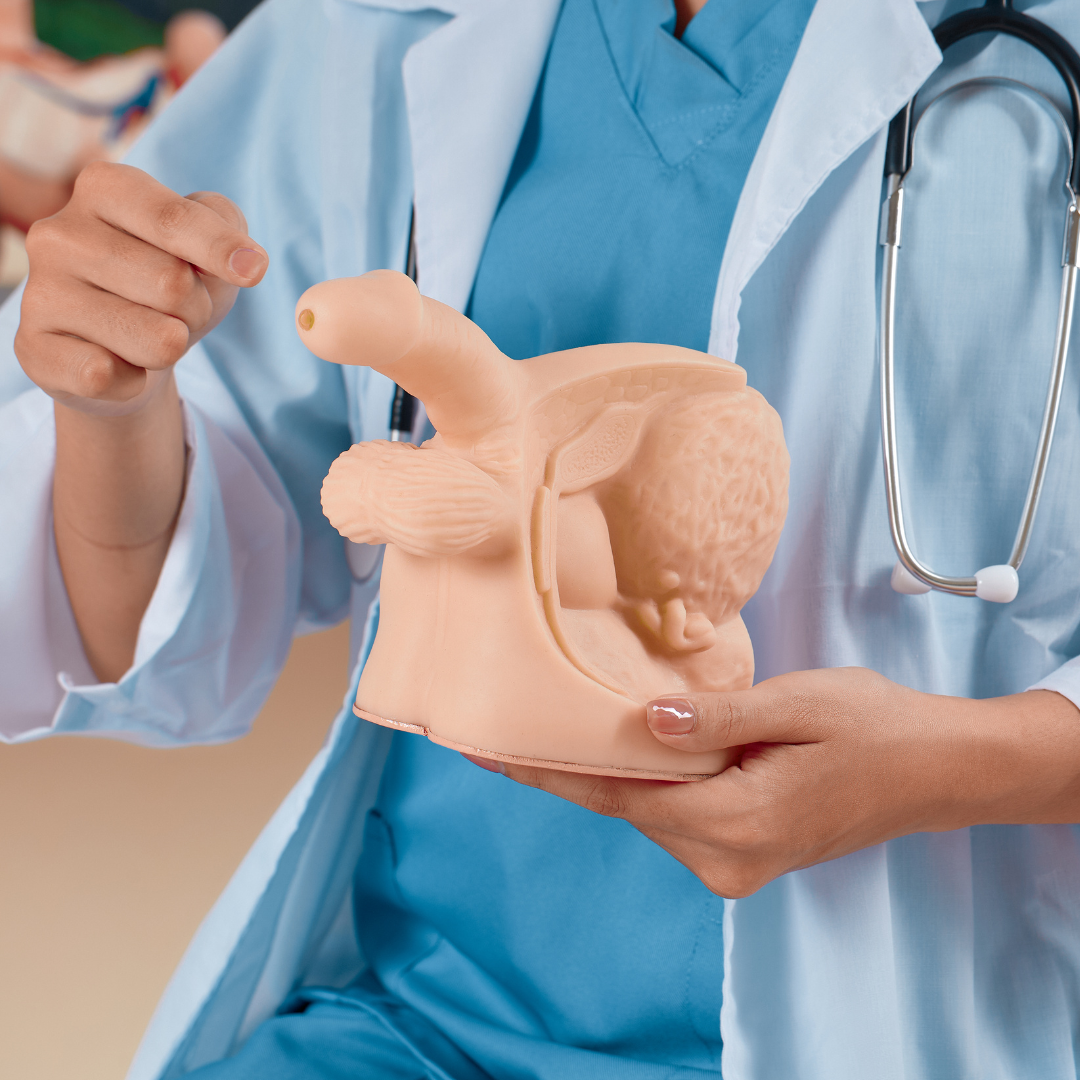
Understanding What Causes Penile Curvature
Peyronie’s disease develops when repeated microscopic injury or inflammation triggers abnormal wound healing inside the tunica albuginea, the tough layer surrounding the erectile tissue. Instead of healing normally, excess collagen forms dense scar tissue that cannot stretch like healthy tissue.
During an erection, the healthy side expands normally while the scarred section remains rigid, causing the penis to bend toward the plaque. Depending on plaque size and location, men may also experience narrowing, hourglass deformity, penile shortening, or painful erections.
Treatment recommendations depend largely on whether the disease is in the active phase, when pain and changing curvature are still present, or the stable phase, when deformity has stopped progressing. Current international guidelines recommend tailoring treatment according to disease stage and symptom severity.
7 Effective Ways to Reduce Penile Curvature and Improve Symptoms
1. Seek Medical Evaluation Early
One of the most important steps is obtaining an early diagnosis rather than waiting for symptoms to worsen.
A men’s health specialist can evaluate:
- Degree of penile curvature
- Presence and location of plaque
- Erectile function
- Pain severity
- Disease stage
- Whether additional vascular or hormonal issues are contributing to symptoms
Early intervention may help slow progression and expand available treatment options.
2. Consider Penile Traction Therapy
Penile traction therapy is one of the most studied non-surgical options for improving penile curvature.
Traction devices apply gentle, controlled stretching over extended periods. This mechanical force promotes collagen remodeling through mechanotransduction, which may gradually reduce curvature while preserving or improving penile length.
Although current evidence varies between studies, multiple international guidelines recognize penile traction therapy as a reasonable conservative treatment, particularly as part of a comprehensive management plan.
3. Discuss Physician-Guided Injection Therapies
For men with stable Peyronie’s disease and significant curvature, certain intralesional injections may be appropriate.
Collagenase clostridium histolyticum has demonstrated the strongest evidence among nonsurgical injectable treatments for selected patients with stable disease and moderate to severe curvature. Other injectable therapies, including verapamil, may be considered in specific situations depending on physician assessment.
4. Use Pulse Wave Therapy to Help Manage Pain and Support Overall Penile Health
Pulse Wave Therapy has become increasingly popular as part of regenerative men’s health programs because it is non-invasive and requires no surgery or injections.
Current medical evidence shows that extracorporeal shockwave therapy can be beneficial for reducing penile pain during the active phase of Peyronie’s disease. Some clinicians also incorporate it into multimodal treatment plans to support tissue health and local blood flow. At Hightower Men’s Clinic, Pulse Wave Therapy may be considered as part of an individualized treatment strategy based on each patient’s symptoms, disease stage, and overall sexual health goals.
5. Address Erectile Dysfunction at the Same Time
Many men with Peyronie’s disease also experience erectile dysfunction due to reduced blood flow, anxiety, or changes within the erectile tissue.
Treating erectile dysfunction alongside Peyronie’s disease often improves overall sexual satisfaction and expands available treatment options. Depending on individual circumstances, physicians may recommend medication, regenerative therapies, or other evidence-based approaches.
6. Optimize Overall Vascular Health
Healthy circulation supports erectile function and tissue healing.
Several medical conditions increase the likelihood of Peyronie’s disease progression, including:
- Diabetes
- High blood pressure
- Smoking
- Obesity
- High cholesterol
- Poor cardiovascular health
Improving these factors benefits not only sexual health but also long-term cardiovascular wellness.
7. Do Not Wait Until Surgery Becomes the Only Option
Surgery remains an excellent treatment for men with severe, stable deformities that significantly interfere with intercourse.
However, surgery is generally reserved for carefully selected patients after the disease has stabilized. Seeking medical care earlier may allow many men to benefit from less invasive therapies before surgical intervention becomes necessary.
Benefits of a Comprehensive Treatment Strategy
Rather than relying on a single therapy, many men achieve better outcomes through a personalized treatment plan.
Potential benefits include:
- Reduced penile pain
- Improved erectile function
- Better sexual confidence
- Preservation of penile length when appropriate
- Slower disease progression
- Improved quality of life
Every treatment plan should be individualized based on plaque characteristics, curvature severity, erectile function, and personal goals.
The Hightower Approach to Personalized Peyronie’s Disease Care
Living with Peyronie’s disease does not mean accepting worsening curvature or avoiding intimacy. Early evaluation gives you the greatest opportunity to explore conservative treatment options before the condition progresses.
If penile curvature, painful erections, or changes in sexual performance are affecting your quality of life, schedule a confidential consultation with Hightower Men’s Clinic. Together, we can develop a personalized treatment plan designed to improve comfort, protect erectile function, and help you regain confidence in your sexual health.
Frequently Asked Questions (FAQ)
Q1: Can Peyronie’s disease go away on its own?
Pain often improves naturally over time, but significant penile curvature usually does not completely resolve without treatment. Early evaluation is recommended.
Q2: Does every man with Peyronie’s disease need surgery?
No. Many men can be managed successfully with conservative therapies depending on disease stage, curvature severity, erectile function, and personal goals.
Q3: Is Pulse Wave Therapy a cure for Peyronie’s disease?
Current clinical evidence supports Pulse Wave Therapy primarily for relieving penile pain during the active phase of Peyronie’s disease. It has not consistently been shown to significantly reduce penile curvature when used alone. Some physicians include it as one component of a broader treatment strategy.
Q4: Can penile traction therapy really improve curvature?
Several studies suggest penile traction therapy may improve curvature and help preserve penile length, particularly when patients use the device consistently as directed. However, results vary between individuals.
Q5: When should I schedule a consultation?
You should seek medical evaluation if you notice new penile curvature, painful erections, palpable plaque, penile shortening, or difficulty during intercourse. Early assessment offers the greatest opportunity to discuss conservative treatment options before the disease stabilizes.