

Erectile Dysfunction (ED) is often managed with temporary, on-demand solutions such as oral medications. While these treatments are effective for many, they primarily address the symptoms of poor blood flow rather than the physiological root cause. For men seeking a more foundational improvement in erectile function, medical science is increasingly looking toward the field of regenerative medicine.
At Hightower Men’s Clinic, we utilize Pulse Wave Therapy (PWT), an innovative and non-invasive modality grounded in the principles of tissue engineering and vascular biology. While currently categorized as an investigational treatment for ED in the United States by organizations like the American Urological Association, the biological science behind PWT offers a fascinating glimpse into the future of men’s restorative health.
Shifting the Paradigm from Symptom Management to Vascular Repair
The vast majority of ED cases are vasculogenic, meaning they stem from a decline in the health of the circulatory system. Factors such as aging, chronic inflammation, and plaque buildup can narrow the small arteries of the penis, making it difficult for the body to move enough blood to achieve or sustain an erection.
Traditional PDE5 inhibitors work by temporarily dilating these existing vessels. However, they do nothing to repair the underlying damage. Pulse Wave Therapy represents a paradigm shift because it aims to initiate the body’s innate ability to repair and rebuild the vascular system itself. This approach seeks to restore natural function rather than providing a chemical “workaround.”
The Biological Foundations of Pulse Wave Therapy
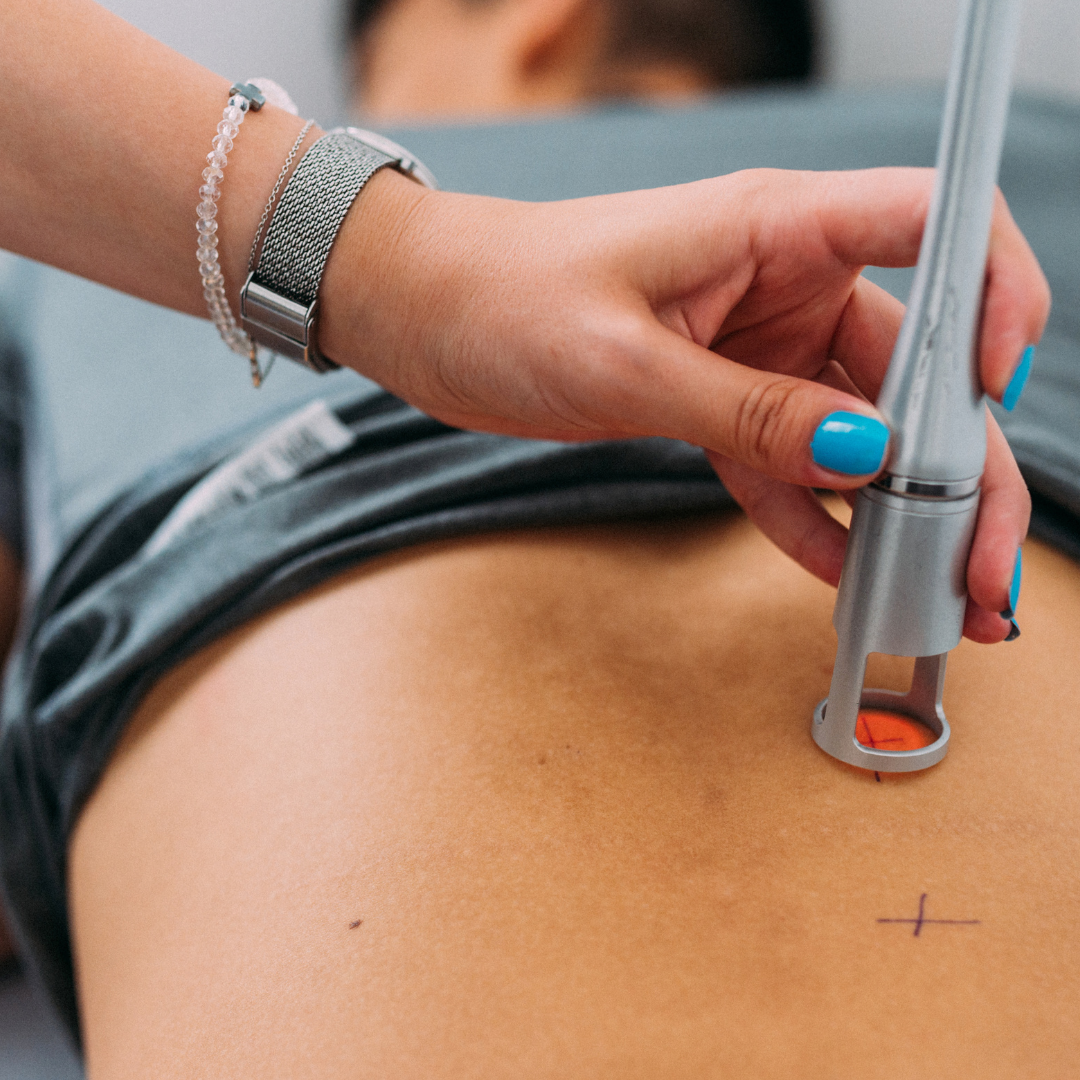
Pulse Wave Therapy, technically known as Low-Intensity Extracorporeal Shockwave Therapy (Li-ESWT), involves the application of low-intensity acoustic waves to the penile tissue. These sound waves travel through the skin and interact with the tissue at a cellular level through a process known as mechanotransduction.
Here is a detailed look at the scientific mechanisms currently being researched:
1. Neovascularization and Angiogenesis
The mechanical stress of the acoustic waves is theorized to trigger the release of growth factors, specifically Vascular Endothelial Growth Factor (VEGF). This protein signals the body to begin the process of angiogenesis, or the formation of new micro-capillaries. By essentially “re-wiring” the vascular network within the erectile tissue, PWT aims to create new pathways for blood flow, enhancing the physical capacity for erections.
2. Stem Cell Activation and Tissue Repair
Research suggests that the energy delivered by PWT may activate local, dormant stem cells. These stem cells serve as the body’s primary repair units. Once activated, they can differentiate into smooth muscle cells and endothelial cells, potentially repairing the damaged “pump” mechanism of the penis and restoring the structural integrity of the tissue.
3. Removal of Micro-Plaque and Calcifications
Just as arteries in the heart can develop plaque, the small vessels in the penis can accumulate micro-calcifications over time. PWT may help fragment these microscopic obstructions. By potentially clearing the path within existing vessels, the treatment seeks to maximize the efficiency of the vascular network already in place.
Why an Investigational Approach Matters for Men’s Wellness
Focusing on the biological root cause provides potential long-term benefits that temporary fixes cannot offer. While clinical studies are ongoing to confirm long-term efficacy and standardized protocols, several promising trends have emerged in the data.
- Potential for Lasting Results: Because the goal is physical tissue remodeling, some research indicates that improvements in function may persist for a year or longer after the initial treatment course is completed.
- Restoring Spontaneity: By supporting the body’s natural ability to respond to arousal, PWT aims to reduce the need for pre-planning or the reliance on daily medications.
- Safety Profile: As a non-invasive and non-systemic treatment, PWT avoids the risks of surgery and the systemic side effects, such as headaches or vision changes, often associated with oral ED drugs.
- Support for Nerve Health: Some clinical observations suggest that PWT may support neurogenesis (nerve repair), which could potentially lead to improved sensitivity and a better overall response to sexual stimuli.
Practical Takeaways for Informed Patients
If you are considering Pulse Wave Therapy, keep the following scientific perspectives in mind:
- It is a Process, Not an Event: Unlike a pill that works in thirty minutes, PWT relies on biological growth cycles. Improvement is typically observed gradually over several weeks as new vessels form.
- Baseline Health Matters: The body’s ability to regenerate tissue depends on overall health. Factors like smoking or uncontrolled blood sugar can hinder the angiogenic process.
- Investigational Status: Because this is an investigational therapy, it is important to receive treatment from a specialized clinic that understands the specific technical procedures required to achieve therapeutic levels of acoustic energy.
The Hightower Protocol: Transparency and Personalized Science
At Hightower Men’s Clinic, we are committed to clinical transparency regarding the investigational status of PWT. We believe that an informed patient is a healthier patient. Our approach ensures that this technology is applied with the highest degree of medical precision.
We begin with a comprehensive evaluation to ensure that your specific case of ED is vasculogenic, as this is where the science of PWT is most applicable. Our team uses specialized settings to customize the treatment intensity and frequency to your specific health profile. Furthermore, we recognize that vascular health is not an isolated issue. We often integrate PWT into a broader wellness plan that addresses metabolic health, nutrition, and lifestyle factors to give the body the best environment possible for regeneration.
Take the first step toward understanding your options for long-term vascular health. Contact Hightower Men’s Clinic today to schedule a thorough consultation and learn if the science of Pulse Wave Therapy is the right fit for your health goals.
Frequently Asked Questions (FAQ)
Q1: How does PWT differ from the “shockwave” used for kidney stones?
A: While both use acoustic waves, PWT for ED uses significantly lower intensity. Lithotripsy for kidney stones is designed to break apart hard objects, whereas PWT for ED is designed to gently stimulate cellular repair and growth factor release without damaging tissue.
Q2: Is the procedure painful?
A: No. Most men describe the sensation as a light tingling or a rhythmic tapping. Because it is a non-invasive, low-intensity treatment, no numbing agents or anesthesia are required, and there is no downtime following the session.
Q3: Are services covered by insurance?
A: Coverage varies; it’s recommended to consult with your insurance provider and the clinic’s billing department for specific information.
Q4: Can I use PWT if I am already taking ED medication?
A: Yes. Many men use PWT as a complementary therapy. The goal for many is to improve their natural vascular health to the point where they can reduce or eventually eliminate their reliance on oral medications.