

Renew your circulation this spring with regenerative vascular care at Hightower Men’s Clinic, featuring non-invasive Pulse Wave Therapy designed to improve blood flow, mobility, and natural sexual performance.
Spring is often associated with movement, mobility, and renewal. For many men, it is also the right time to address an often overlooked driver of both physical performance and sexual health: vascular function. Blood vessels are not simply passive plumbing. They are living, reactive tissues that respond to inflammation, hormone balance, metabolic health, and physical activity.
When circulation becomes impaired, men frequently notice early warning signs such as reduced stamina, slower recovery from exercise, colder extremities, and changes in erectile firmness or reliability. These symptoms reflect a shared biological problem. Endothelial dysfunction, or reduced function of the inner lining of blood vessels, limits healthy blood flow throughout the body.
At Hightower Men’s Clinic, spring vascular renewal focuses on restoring vessel health rather than masking symptoms. Our regenerative protocols, including targeted Pulse Wave Therapy, are designed to support tissue repair, improve circulation, and promote long-term vascular resilience for men who want lasting performance and mobility.
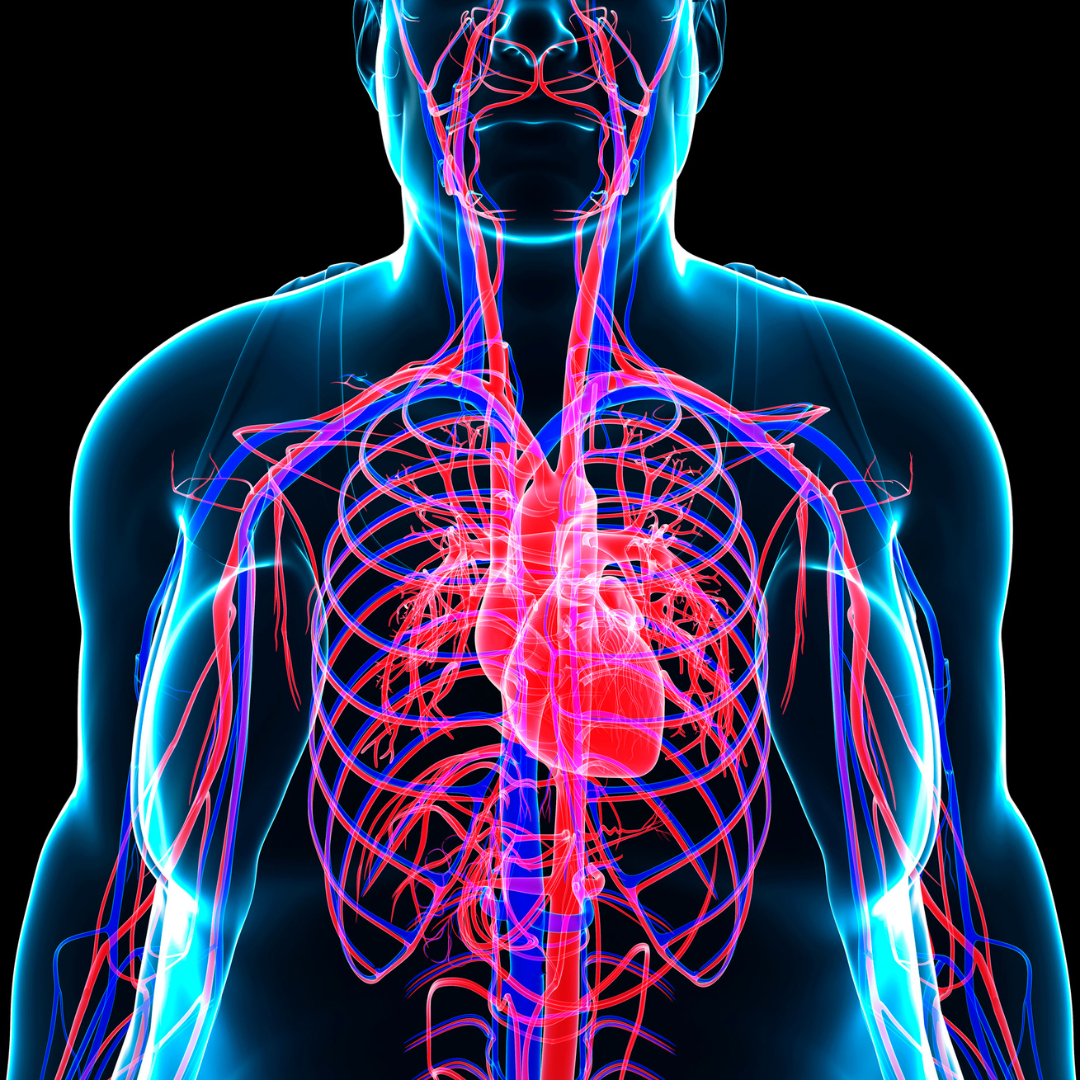
Why Vascular Health Determines Performance and Mobility
An erection is a vascular event. Penile tissue fills with blood when the small arteries and microvessels relax and rapidly expand. The same vascular mechanisms support joint health, muscle oxygenation, and overall physical endurance.
Research published in major cardiovascular journals consistently shows that erectile dysfunction is commonly an early manifestation of systemic vascular disease. The penile arteries are smaller than coronary or carotid arteries, so reduced blood flow often becomes noticeable there first.
From a medical standpoint, vascular dysfunction is closely associated with:
- Chronic low-grade inflammation
- Insulin resistance and metabolic syndrome
- Elevated cholesterol and triglycerides
- Age-related decline in nitric oxide production
- Sedentary lifestyle and reduced physical mobility
Improving circulation, therefore, supports far more than sexual performance. It also improves tissue oxygenation, muscular endurance, and recovery capacity that directly influence daily mobility and quality of life.
The Spring Connection Between Circulation and Mobility
During winter months, reduced physical activity and increased metabolic stress often worsen vascular tone. Blood vessels become less responsive and more rigid over time. Spring represents an ideal clinical window to intervene because physical activity typically increases, and the vascular system responds favorably to regenerative stimulation.
Improved circulation contributes to mobility by:
- Increasing oxygen and nutrient delivery to muscles and joints
- Supporting mitochondrial energy production
- Enhancing nerve signaling efficiency
- Reducing ischemic discomfort during movement
When blood flow improves, many men notice greater exercise tolerance and improved stamina in both daily activity and intimacy.
The Hidden Problem Behind Most Performance Decline
The majority of erectile dysfunction is classified as vasculogenic. This means that restricted blood flow, rather than hormone deficiency or psychological causes, is the dominant driver.
Over time, small vessel disease develops through:
- Endothelial injury from oxidative stress
- Micro-plaque formation within vessel walls
- Reduced elasticity of smooth muscle surrounding arteries
While oral medications temporarily dilate existing vessels, they do not rebuild damaged microvasculature. They cannot reverse endothelial injury. They simply enhance the performance of compromised anatomy for a short period.
This is why many men experience a declining response to pills over time.
Pulse Wave Therapy and Vascular Renewal
Pulse Wave Therapy uses low-intensity acoustic energy delivered externally to targeted tissue. The treatment is non-invasive and does not require anesthesia, injections, or medication.
From a physiological perspective, the therapy triggers a biological process known as mechanotransduction. Mechanical energy applied to tissue stimulates cellular signaling pathways that activate local repair mechanisms.
How Pulse Wave Therapy Supports Blood Flow Restoration
Stimulation of neovascularization
Acoustic waves trigger the release of vascular growth factors such as VEGF, which promote the formation of new capillaries and microvessels. This process expands the total vascular network available for blood delivery.
Improved endothelial function
Studies demonstrate that low-intensity shockwave therapy improves nitric oxide signaling and endothelial responsiveness. Healthy endothelial cells regulate vessel dilation and directly influence erectile rigidity and vascular flexibility.
Reduction of microvascular obstruction
The mechanical energy helps disrupt micro-calcifications and plaque deposits that impair flow through small vessels.
Tissue remodeling and elasticity
Regenerative signaling supports collagen remodeling and improved tissue compliance, which allows erectile tissue and surrounding vasculature to respond more efficiently during arousal.
Why Regenerative Circulation Care Matters More Than Short-Term Dilation
Short-term vasodilation does not correct vascular disease. Regenerative therapy targets the biological foundation of blood flow.
The objective is not to stimulate a temporary erection. The goal is to improve the physical structure and function of the blood vessels that support performance, recovery, and mobility.
Clinical studies published in peer-reviewed urology journals consistently report meaningful improvements in erectile function scores following low-intensity shockwave therapy, particularly in men with mild to moderate vasculogenic erectile dysfunction.
Benefits of a Spring Vascular Renewal Program
Men who undergo regenerative vascular therapy frequently report improvements that extend beyond sexual function:
- Improved erectile consistency and firmness
- Increased exercise tolerance and stamina
- Better lower extremity circulation
- Enhanced recovery after physical activity
- Greater confidence and reduced performance anxiety
Because therapy focuses on tissue health rather than chemical stimulation, systemic side effects are minimal.
Your Personalized Spring Reset for Stronger Blood Flow and Natural Performance
At Hightower Men’s Clinic, vascular renewal is treated as a medical strategy, not a cosmetic solution. Your care begins with a private consultation and clinical evaluation to identify the true causes of reduced blood flow, declining performance, and mobility changes.
From there, our team designs a customized regenerative plan using Pulse Wave Therapy and targeted medical guidance to help restore circulation, tissue health, and long-term confidence.
This spring, invest in the health of your blood vessels, not temporary fixes. Schedule your confidential vascular consultation at Hightower Men’s Clinic today and begin your personalized path to better circulation, stronger performance, and renewed mobility.
Frequently Asked Questions
Q1: Who is a good candidate for regenerative vascular therapy?
A: Men with mild to moderate vasculogenic erectile dysfunction, early performance decline, reduced stamina, or circulation-related symptoms often respond well. A medical evaluation is required to confirm suitability.
Q2: Is Pulse Wave Therapy safe?
A: Low-intensity acoustic therapy has an established safety profile when performed under medical supervision. Because it is noninvasive and localized, systemic side effects are rare.
Q3: How many sessions are typically needed?
A: Most protocols involve a short series of sessions over several weeks. The exact schedule is determined by vascular findings and clinical goals.
Q4: Can this therapy improve energy and physical stamina?
A: Improved blood flow supports oxygen delivery to muscles and nerves. Many patients report improvements in endurance, recovery, and general vitality as circulation improves.
Q5: Will insurance cover regenerative vascular therapy?
A: Coverage varies by provider and policy. Many regenerative therapies are categorized as elective or wellness-based. Our billing team can review options and help you understand expected costs during your consultation.