

Peripheral neuropathy is a progressive condition that fundamentally alters how an individual interacts with the world. It often begins as a faint tingling or a “pins and needles” sensation in the extremities, but it can quickly evolve into debilitating burning pain, muscle weakness, and a dangerous loss of protective sensation. For many, the standard medical response involves a rotating door of prescriptions designed to suppress the central nervous system. While these medications may dull the perception of pain, they rarely address the physiological reason the nerves are failing.
True recovery from neuropathy requires a shift in focus from symptom management to biological restoration. At Hightower Men’s Clinic, we utilize Targeted Pulse Wave Therapy (PWT) to address the underlying vascular and neurological decline. By creating a healing environment at the cellular level, we help men move beyond the limitations of chronic nerve damage and toward a life of improved mobility and sensation.
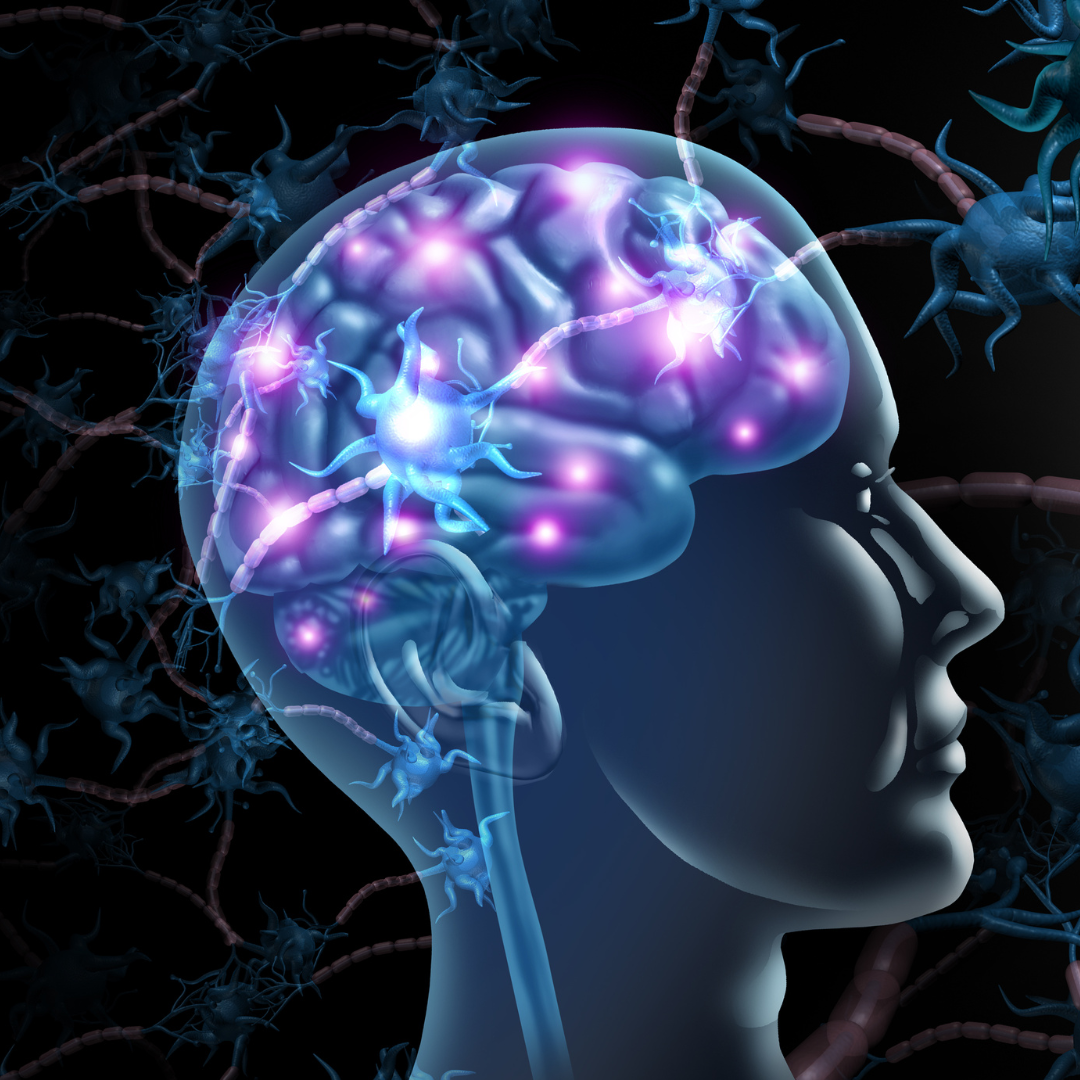
The Biological Foundation of Peripheral Nerve Decline
To understand why nerves fail, we must look at the micro-environment that sustains them. Peripheral nerves are incredibly sensitive to changes in their blood supply. They are nourished by an intricate network of microscopic blood vessels known as the vasa nervorum. When these vessels are compromised by factors such as high blood glucose, chronic inflammation, or vascular disease, the nerves begin to starve.
This state of oxygen deprivation, or ischemia, leads to the breakdown of the myelin sheath. The myelin sheath is the protective insulation that allows electrical signals to travel efficiently through the nerve. When this insulation is damaged, the nerve “misfires,” sending erratic signals to the brain that are interpreted as sharp pain or burning. Eventually, the nerve fiber itself may wither, leading to the complete numbness that characterizes advanced neuropathy.
How Pulse Wave Therapy Reverses the Cycle of Nerve Damage
Pulse Wave Therapy (PWT) is a regenerative modality that uses focused acoustic energy to penetrate deep into the soft tissues. Unlike surgical or chemical interventions, PWT utilizes mechanical pressure waves to trigger a biological response called mechanotransduction. This process signals the body to initiate repair precisely where the damage has occurred.
1. Induction of Angiogenesis for Nerve Nutrition
The primary objective in treating neuropathy is the restoration of blood flow. PWT is scientifically proven to stimulate the release of growth factors, specifically Vascular Endothelial Growth Factor (VEGF). This protein acts as a signal for angiogenesis, which is the formation of new capillaries. By rebuilding the micro-vascular network around the nerves, we ensure a consistent delivery of the oxygen and nutrients required for nerve survival and function.
2. Stimulating Neurogenesis and Myelin Repair
Research into acoustic wave therapy suggests that these pulses can stimulate neurogenesis, or the repair of damaged nerve cells. The mechanical energy encourages the Schwann cells to repair the myelin sheath. As the nerve’s insulation is restored, the erratic pain signals often decrease, and the patient’s ability to feel pressure and temperature begins to return.
3. Modulating Localized Inflammation
Chronic nerve pain is frequently exacerbated by “neurogenic inflammation.” This occurs when damaged nerves release substances that cause surrounding tissues to swell, further compressing the nerve. PWT helps to modulate this inflammatory response, reducing the swelling and irritation that contribute to the sensation of burning and throbbing.
Practical Takeaways for Men Managing Neuropathy
Choosing a non-invasive, regenerative path involves understanding that biological healing is a cumulative process. Here are several key considerations for those exploring this treatment:
- Consistency is Crucial: Nerve tissue heals at a much slower rate than skin or muscle. A successful protocol typically requires a series of sessions to build the momentum of blood vessel growth and nerve repair.
- The Power of Localized Treatment: Unlike oral medications that circulate through the entire body and cause systemic side effects, PWT is applied directly to the site of the damage. This allows for high-intensity stimulation without the risk of grogginess or internal organ stress.
- Monitoring Sensory Milestones: Recovery often follows a pattern. Many patients first notice a reduction in the “sharpness” of pain, followed by a gradual return of sensation in previously numb areas.
Take Control of Your Mobility and Health
At Hightower Men’s Clinic, we believe that the best clinical outcomes start with a partnership built on transparency and medical integrity. Our specialized approach to peripheral neuropathy is guided by rigorous medical standards, ensuring you receive care that is both safe and scientifically grounded. While Pulse Wave Therapy is recognized as a premier non-invasive tool for neutralizing the debilitating pain of neuropathy, our goal is to empower you with the facts and a regenerative pathway that restores your comfort.
Don’t let nerve pain dictate your daily life any longer—reach out to the Hightower Men’s Clinic team today to discover how our evidence-based protocols can help you walk with confidence again.
Frequently Asked Questions
Q1: Is Pulse Wave Therapy painful?
A: No. Most patients find the procedure to be very comfortable. You will feel a rhythmic tapping or a light vibrating sensation against the skin. Because the procedure is non-invasive and does not use electricity, there is no risk of a “shock” or discomfort.
Q2: How many sessions will I need to see an improvement?
While some men feel a reduction in pain after the first few sessions due to the anti-inflammatory effects, nerve regeneration takes time. Most clinical protocols recommend a series of six to twelve sessions over several weeks to achieve lasting biological changes.
Q3: Are there any side effects to this treatment?
A: PWT is exceptionally well-tolerated. Unlike neuropathy medications that can cause weight gain, dizziness, or fatigue, PWT is a localized treatment. There are no systemic side effects, and you can resume your normal daily activities immediately following each appointment.
Q4: Can PWT be used if I am already taking nerve pain medication?
A: Yes. PWT is highly compatible with other therapies. In many cases, men find that as their nerve function improves through PWT, they can work with their primary physician to slowly reduce their reliance on daily pain medications.