

Discover advanced, non-invasive treatment options for chronic foot pain in Hightower Men’s Clinic, using clinically guided Pulse Wave Therapy to reduce pain, restore tissue health, and help you stay active through the winter months.
Chronic foot pain is one of the most common reasons men reduce physical activity during the colder months. Whether the pain is felt in the heel, arch, or forefoot, even mild daily discomfort can slowly disrupt exercise routines, work performance, balance, and overall mobility. Over time, reduced movement leads to muscle loss, joint stiffness, weight gain, and worsening circulation.
At Hightower Men’s Clinic, we help men address the biological causes of chronic foot pain rather than relying on repeated injections, long-term medication use, or surgical intervention. Our non-invasive regenerative protocols, including Pulse Wave Therapy, are designed to stimulate healing in damaged tissue, restore circulation, and reduce persistent inflammation that prevents recovery.
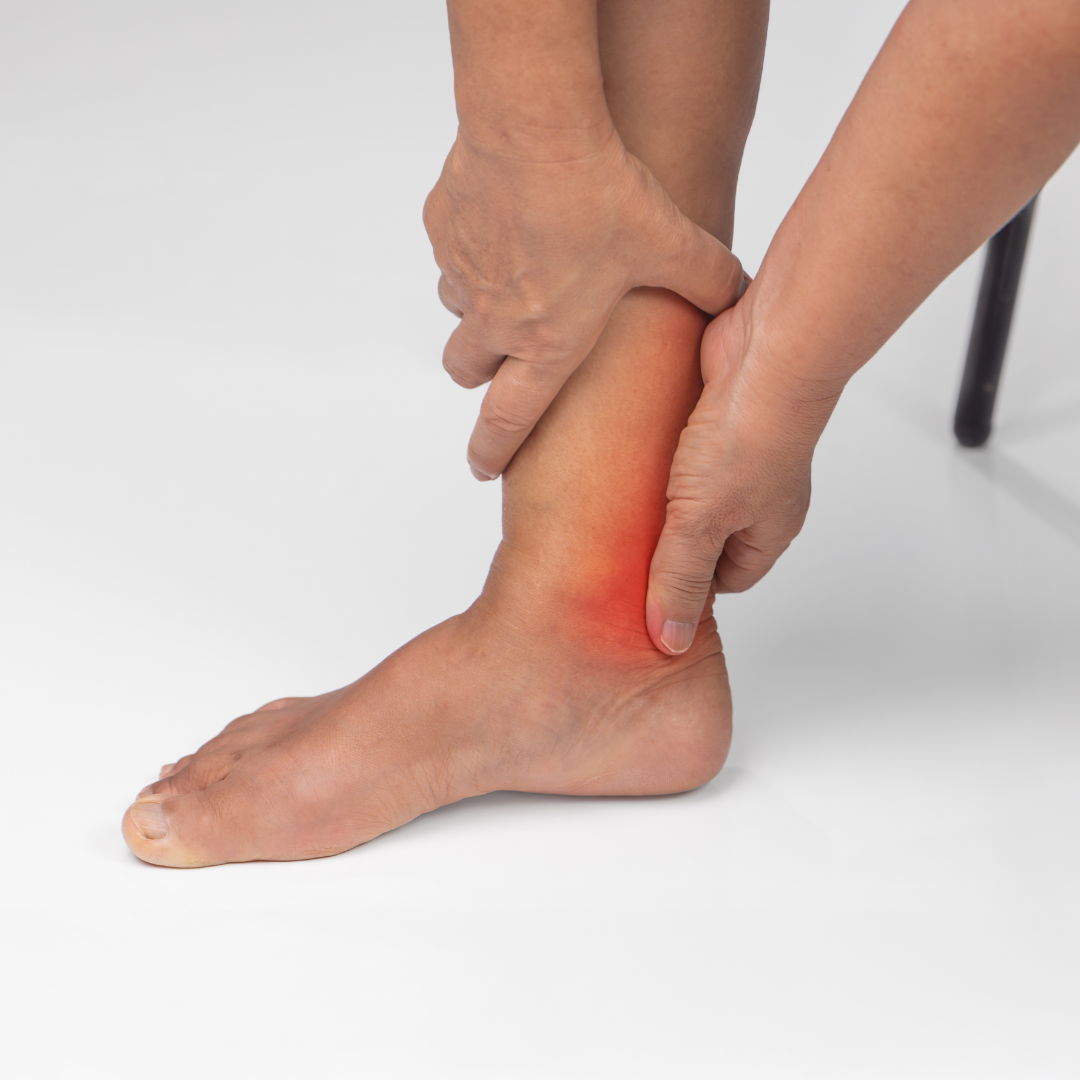
Why Chronic Foot Pain Becomes Harder to Resolve in Winter
Winter creates a perfect environment for lingering foot injuries. Cold temperatures reduce circulation to the extremities. Activity levels drop. Stiff footwear and uneven surfaces increase mechanical strain. At the same time, existing soft tissue injuries receive fewer healing signals from movement and blood flow.
Chronic foot pain most often develops when micro-injuries accumulate faster than the body can repair them. This is especially common in:
- Plantar fascia strain
- Achilles tendon overuse
- Small ligament and tendon tears
- Nerve irritation and compression
- Degenerative changes in the heel fat pad
When tissue remains in a prolonged inflammatory state, healing stalls and pain becomes persistent rather than temporary.
The Most Common Causes of Ongoing Foot Pain in Men
Plantar fasciitis and degenerative fascia injury
Plantar fasciitis is one of the leading causes of heel pain in adults. The plantar fascia is a thick connective tissue band that supports the arch of the foot. Repetitive loading, poor footwear, excess body weight, and reduced ankle mobility place repeated strain on the fascia.
Medical imaging studies demonstrate that chronic plantar fasciitis is not simply inflammation. It is a degenerative process involving micro-tears, collagen disorganization, and reduced blood supply.
Tendinopathy and soft tissue breakdown
The Achilles tendon and intrinsic foot tendons experience high mechanical load during walking and standing. Repetitive microtrauma without sufficient recovery leads to tendon degeneration, impaired collagen remodeling, and persistent pain with movement.
Peripheral nerve irritation
Men with diabetes, metabolic syndrome, or prior injury may experience nerve-related foot pain. Peripheral neuropathy alters pain signaling, reduces tissue protection, and increases risk of slow healing.
Circulatory compromise
Foot tissues depend on a healthy microvascular network. Reduced circulation slows oxygen delivery, nutrient transport, and waste removal. Over time, even small injuries struggle to heal effectively.
The Drawbacks of Traditional Foot Pain Treatments
Conventional care often focuses on symptom suppression rather than tissue repair.
Oral anti-inflammatory medications
Nonsteroidal anti-inflammatory drugs reduce pain perception but do not repair damaged fascia or tendons. Long-term use increases gastrointestinal, cardiovascular, and kidney risk.
Corticosteroid injections
While injections may provide short-term relief, studies show repeated use weakens connective tissue and increases risk of fascia or tendon rupture.
Immobilization and rest alone
Short-term unloading can reduce acute irritation. It does not stimulate tissue regeneration and often results in delayed recovery.
Surgery
Surgical intervention is reserved for severe cases and carries the risk of nerve injury, scarring, and prolonged rehabilitation.
Pulse Wave Therapy for Chronic Foot Pain
Pulse Wave Therapy uses low-intensity acoustic sound waves applied externally to the injured region of the foot. The procedure is performed in the office and requires no anesthesia or injections.
From a biological perspective, the therapy activates mechanotransduction. This is the process by which mechanical signals trigger cellular responses involved in tissue repair.
How Pulse Wave Therapy Supports Foot Tissue Healing
Stimulates new blood vessel formation
Clinical studies show that acoustic wave therapy promotes angiogenesis. This is the development of new microvessels that increase blood supply to injured tissue. Improved circulation supports oxygen delivery, collagen synthesis, and cellular repair.
Enhances tendon and fascia remodeling
Shockwave therapy stimulates fibroblast activity and growth factor release. This improves collagen alignment and structural integrity in damaged fascia and tendon fibers.
Reduces chronic inflammation
By altering inflammatory signaling pathways and improving tissue metabolism, Pulse Wave Therapy helps shift tissue from a chronic inflammatory state into an active healing phase.
Improves nerve signaling in select cases
Emerging clinical data supports the use of low-intensity shockwave therapy in certain neuropathic pain conditions by improving microcirculation around affected nerves.
Benefits of Choosing a Non Invasive Regenerative Approach
Men who pursue regenerative therapy for chronic foot pain often experience benefits beyond simple pain reduction.
- Improved walking comfort and stride mechanics
- Increased tolerance for standing and physical activity
- Faster recovery following exercise
- Reduced reliance on pain medications
- Greater confidence returning to movement during winter months
Because therapy is localized and drug free, systemic side effects are uncommon.
Your Personalized Path to Pain Free Movement and Stronger Mobility This Winter
At Hightower Men’s Clinic, chronic foot pain is treated as a medical and biomechanical problem, not simply a symptom to suppress.
Your care begins with a private evaluation to identify the true source of your pain and the biological barriers preventing healing. From there, our clinical team designs a customized non-invasive regenerative program using Pulse Wave Therapy to restore circulation, repair damaged tissue, and support your return to confident movement.
Do not let winter slow you down. Schedule your confidential foot pain consultation at Hightower Men’s Clinic today and begin your personalized path back to mobility, comfort, and performance.
Frequently Asked Questions (FAQ)
Q1: What types of foot pain respond best to Pulse Wave Therapy?
A: The therapy is commonly used for chronic plantar fasciitis, Achilles tendinopathy, ligament injuries, and selected cases of nerve-related foot pain. A medical evaluation is required to confirm candidacy.
Q2: Is Pulse Wave Therapy safe for older adults?
A: Yes. Low-intensity acoustic therapy is non-invasive and well tolerated in older populations when performed under medical supervision.
Q3: How many treatments are typically needed?
A: Most patients undergo a short treatment series over several weeks. The exact number of sessions depends on the severity and duration of the condition.
Q4: Can this therapy help if I have peripheral neuropathy?
A: In some cases, improved microcirculation around affected nerves may support symptom improvement. Results vary based on the underlying cause of neuropathy.
Q5: Will insurance cover regenerative foot pain treatment?
A: Coverage varies by plan. Many regenerative therapies are considered elective. Our team can review your options during your consultation and provide transparent cost information.