

Living with peripheral neuropathy presents distinctive difficulties for men during August, as changing daily routines and late summer heat take hold. Prolonged periods on your feet, fluid shifts, and high temperatures frequently cause symptoms to reach their peak, quickly interrupting plans for travel, outdoor summer tasks, or transitioning into a structured fall schedule.
Far from being a simple inconvenience, peripheral neuropathy is a progressive disorder that directly diminishes a person’s physical independence, confidence, and overall well-being. Data from the National Institute of Neurological Disorders and Stroke (NINDS) indicates that this condition stems from damage to peripheral nerves, which interrupts the crucial transmission of signals between the brain, the spinal cord, and the rest of the body.
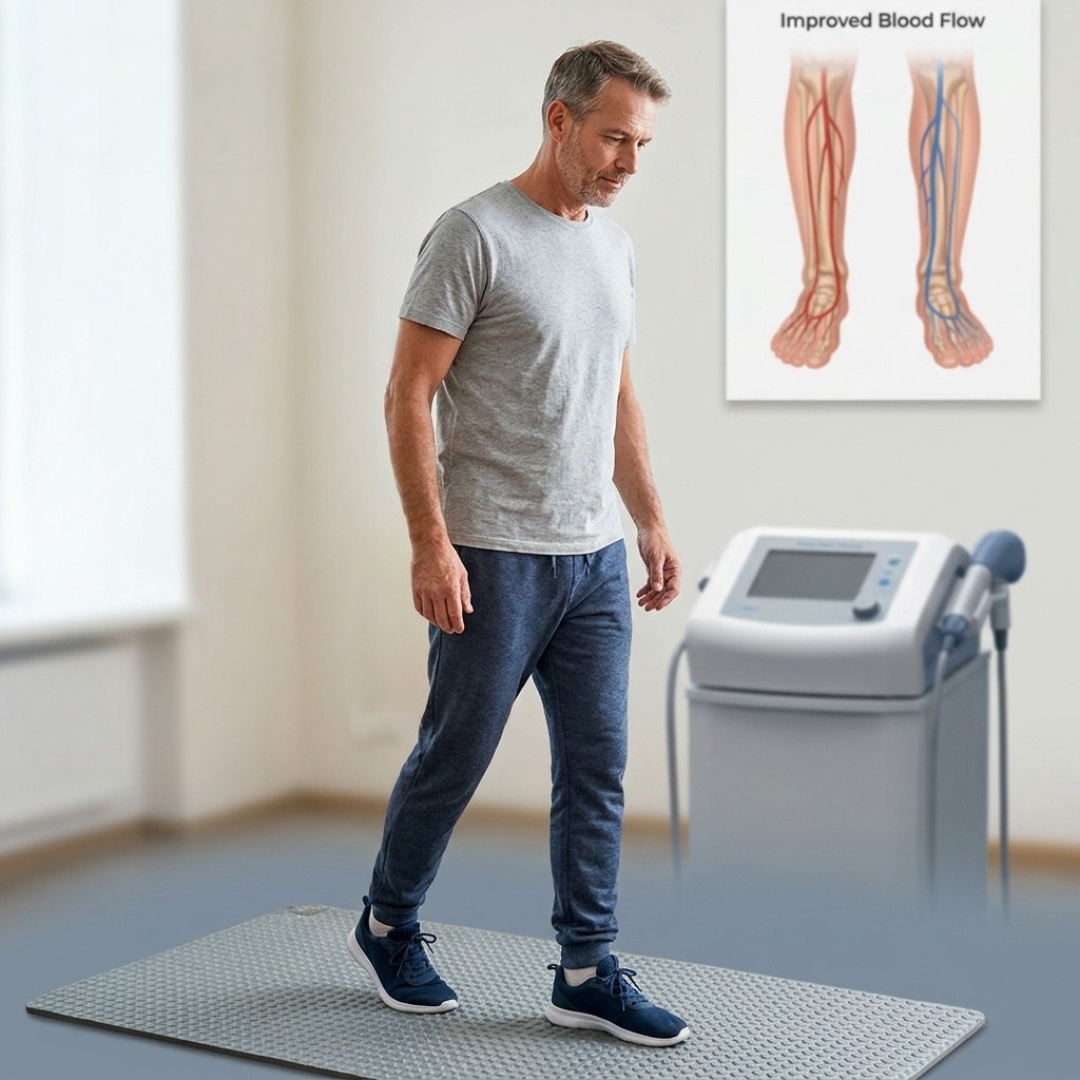
At Hightower Men’s Clinic, our regenerative approach focuses on improving the biological environment surrounding damaged nerves rather than simply masking discomfort. Through Targeted Pulse Wave Therapy (PWT) and physician-guided care, we help stimulate local microcirculation, support connective tissue repair, and encourage healthier nerve signaling so men can move with greater confidence and physical stability.
Why Peripheral Neuropathy Often Gets Worse Over Time
Many men initially dismiss occasional numbness or tingling in their toes as a normal part of getting older. Unfortunately, peripheral neuropathy rarely improves without addressing the underlying biological cause.
Healthy peripheral nerves rely on a dense network of microscopic blood vessels known as the vasa nervorum. These specialized micro-vessels continuously deliver the oxygen and essential nutrients required for nerve cells to maintain their protective myelin sheaths and transmit clear electrical signals. When circulation becomes impaired due to metabolic dysfunction, chronic inflammation, or arterial narrowing, the vasa nervorum constricts or deteriorates, causing the peripheral nerves to slowly “starve.”
Over time, this localized metabolic starvation contributes to progressive neurological decline:
- Persistent, spreading numbness in the feet and lower legs
- Burning, stabbing, or electric-like phantom pains
- Progressive muscle weakness in the ankles and arches
- Inability to sense the ground texture or foot placement while walking
- Loss of automatic coordination and leg reaction time
- Significantly heightened risk of trips, stumbles, and dangerous falls
Many traditional management options focus almost exclusively on dulling central pain signals with pharmaceuticals. While symptom management offers short-term relief, these medications do not restore blood flow, repair the vasa nervorum, or regenerate damaged nerve tissue. This creates a frustrating cycle where symptoms remain volatile or continue progressing despite long-term drug use.
How Pulse Wave Therapy Supports Nerve Recovery
Pulse Wave Therapy offers a targeted, regenerative approach that addresses the physical environment in which damaged nerves operate. Unlike oral medications that temporarily alter pain perception, Pulse Wave Therapy utilizes controlled acoustic energy to stimulate the body’s natural cellular repair mechanisms.
Improved Microcirculation and Angiogenesis
Healthy blood flow is the fundamental prerequisite for neural repair. Pulse Wave Therapy triggers a biological cascade that stimulates angiogenesis—the growth of brand-new microscopic blood vessels from existing vascular structures. Rebuilding the vasa nervorum delivers oxygen, glucose, and systemic growth factors directly to starved, ischemic nerve bundles. Enhanced blood flow also helps flush away toxic metabolic byproducts and inflammatory cytokines that irritate nerve endings.
Cellular Repair and Tissue Regeneration
Acoustic wave energy activates a cellular signaling process known as mechanotransduction. This physical micro-stimulation encourages localized cells to produce crucial structural proteins while releasing endogenous growth factors (such as Vascular Endothelial Growth Factor) that support nerve cell sheath repair. Although neural regeneration is a gradual process, optimizing the cellular environment allows nerves to transmit signals more accurately over time.
Reduction of Chronic Localized Inflammation
Chronic tissue inflammation maintains nerve hyperexcitability, which manifests as burning and shooting sensations. Pulse Wave Therapy helps downregulate inflammatory signaling within deep soft tissues, creating favorable biological conditions for nerve recovery and tissue remodeling. Lower baseline inflammation leads directly to improved physical comfort and smoother joint movement.
| Recovery Factor | Traditional Pain Medication | Targeted Pulse Wave Therapy (PWT) |
| Primary Mechanism | Suppresses central nerve pain signaling | Rebuilds local vascular networks and stimulates tissue repair |
| Microcirculation | No impact on micro-vessels or blood flow | Promotes active angiogenesis (new vessel growth) |
| Structural Impact | Does not alter underlying tissue health | Enhances tissue remodeling via cellular mechanotransduction |
| Cognitive Effects | Can cause drowsiness, dizziness, or brain fog | Fully non-invasive with zero systemic cognitive side effects |
| Long-Term Target | Temporary management while drug is active | Structural environment restoration for lasting function |
Why Better Circulation Matters for Long-Term Results
Peripheral nerve fibers cannot survive without robust, reliable blood vessels supplying them. One of the principal advantages of regenerative acoustic therapy is its dual action on both vascular structures and adjacent neural pathways.
Restoring localized microcirculation provides extensive physical benefits:
- Superior oxygen delivery to deep distal tissues
- Efficient nutrient absorption at the cellular level
- Faster recovery from minor micro-traumas and exertion
- Healthier skin, nail beds, and surrounding soft tissues
- Reduced calf and foot muscle fatigue during daily walking
- Improved natural tissue healing capacity across the lower extremities
Because systemic circulation dictates overall tissue health, restoring blood supply to the lower extremities lays a foundation for sustained mobility and long-term wellness.
A Comprehensive Medical Approach to Neuropathy Care
At Hightower Men’s Clinic, nerve health is never addressed in isolation. Because neuropathy is frequently tied to broader biological systems, our clinical team evaluates the underlying factors driving your condition, including:
- Uncontrolled diabetes, prediabetes, or insulin resistance
- Peripheral artery disease and localized micro-vascular insufficiency
- Underlying cardiovascular strain or chronic hypertension
- Targeted vitamin deficiencies (such as B12, B6, or Folate)
- Chronic metabolic inflammation and systemic oxidative stress
- Individual lifestyle, occupational, and physical demands
Following a comprehensive diagnostic evaluation, your treatment plan is customized based on symptom severity, vascular status, sensory loss depth, and personal lifestyle objectives. This individualized model ensures that regenerative therapies are supported by targeted medical direction throughout every phase of your recovery.
Benefits of Choosing Pulse Wave Therapy for Peripheral Neuropathy
Men seeking alternatives to invasive procedures or lifelong pharmaceutical dependency appreciate the targeted, non-surgical nature of our protocols.
- Restored Balance and Stability: As micro-circulation improves and nerve signaling becomes clearer, patients report greater ground sensation and increased stability while walking.
- Enhanced Physical Mobility: Relief from chronic burning discomfort makes daily exercise and outdoor movement achievable, supporting joint health and weight management.
- Drug-Free Protocol: Pulse Wave Therapy works without systemic pharmaceuticals, eliminating risks of drug interactions, organ strain, or mental cloudiness.
- Zero Downtime: Outpatient sessions take less than thirty minutes, allowing you to resume work, travel, or exercise routines immediately following care.
- Customized Clinical Guidance: Every care plan is tailored to your unique diagnostic profile, ensuring precise targeting of compromised tissue areas.
Your Personalized Path Toward Better Balance and Greater Confidence
At Hightower Men’s Clinic, treating peripheral neuropathy means looking beyond superficial symptom suppression. Your journey begins with a private medical consultation and a detailed diagnostic evaluation to assess nerve fiber responsiveness, micro-vascular health, and structural balance limitations. From there, our clinical team designs a personalized regenerative care plan utilizing Targeted Pulse Wave Therapy alongside physician-guided metabolic optimization.
You deserve a strategy focused on helping you move confidently, protect your physical independence, and maintain long-term mobility. Take control of your balance and stride. Schedule your confidential consultation at Hightower Men’s Clinic today to discover how a personalized regenerative protocol can help you walk with comfort and stability.
Frequently Asked Questions (FAQ)
Q1: What is peripheral neuropathy?
Peripheral neuropathy is a progressive condition involving structural damage to the peripheral nerves outside the brain and spinal cord. It commonly causes numbness, burning pain, tingling, muscular weakness, and balance issues in the extremities.
Q2: How does Pulse Wave Therapy assist with nerve repair?
Pulse Wave Therapy delivers targeted acoustic waves that trigger micro-vessel formation (angiogenesis), improve localized blood supply, downregulate tissue inflammation, and activate cellular repair pathways surrounding damaged nerve fibers.
Q3: Can improving lower-extremity circulation really restore nerve function?
Yes. Peripheral nerves rely on the vasa nervorum for oxygen and vital nutrients. Re-establishing adequate microvascular blood flow provides the metabolic foundation necessary for nerve cells to repair their sheaths and improve signal transmission.
Q4: Is Pulse Wave Therapy uncomfortable for sensitive feet?
Most patients tolerate the therapy exceptionally well, describing it as a light, rhythmic tapping sensation. The procedure is non-surgical, non-invasive, requires no anesthesia, and involves no post-treatment downtime.
Q5: Does Pulse Wave Therapy replace standard diabetes management?
No. Regenerative acoustic therapy is designed to complement proper medical management of underlying systemic conditions like diabetes or hypertension. Controlling blood sugar alongside clinical vascular therapy produces the most robust, long-lasting outcomes.