

Peripheral neuropathy is more than just a medical diagnosis; it is a daily disruption that can strip away a person’s independence and quality of life. For millions of men, this condition manifests as a relentless cycle of burning, tingling, and a loss of sensation that typically begins in the feet and hands. While conventional medicine has long relied on anticonvulsants or antidepressants to dull these sensations, these “solutions” rarely address why the nerves are failing in the first place.
Modern medical wellness is moving toward a regenerative model. Instead of simply quietening the pain signals sent to the brain, advanced therapies like Pulse Wave Therapy (PWT) seek to repair the biological environment of the nerve. By focusing on blood flow and cellular signaling, it is now possible to offer a non-invasive pathway to recovery that does not rely on systemic medications or invasive procedures.
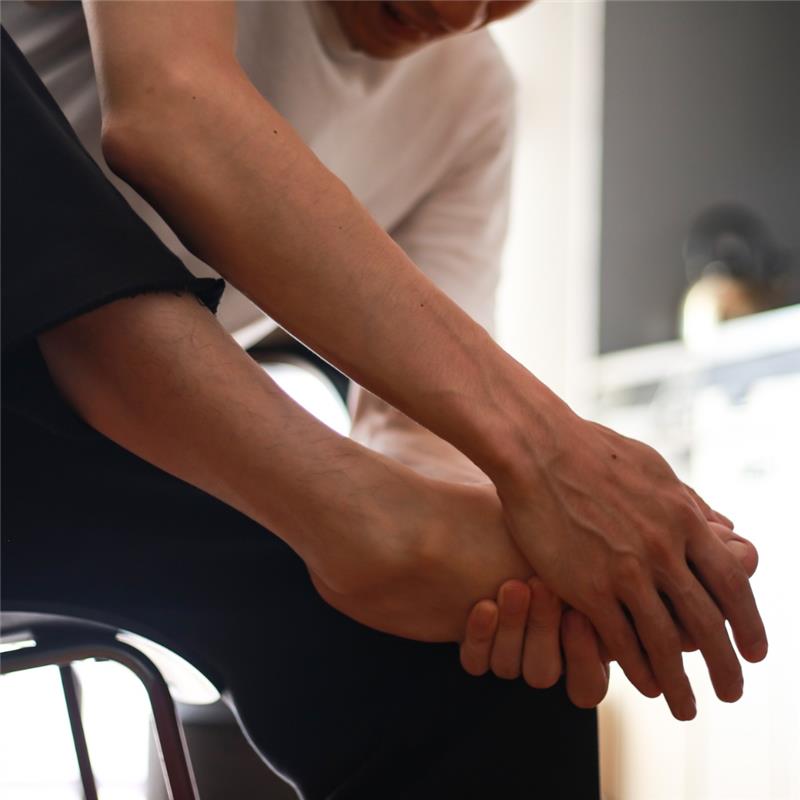
The Biological Reality of Peripheral Neuropathy
To understand the solution, one must first understand the damage. Peripheral neuropathy occurs when the delicate nerves outside of the brain and spinal cord become damaged or destroyed. This is often caused by chronic conditions like type 2 diabetes, where high blood sugar levels physically degrade the small blood vessels (vasa nervorum) that supply nerves with oxygen.
When these tiny vessels fail, the nerves begin to starve. The protective coating of the nerve, known as the myelin sheath, starts to wear away. This leads to “misfiring” signals, which the brain interprets as burning or electric shocks. Eventually, if the starvation continues, the nerve fibers may die entirely, resulting in the dangerous numbness that leaves men at risk for undetected injuries.
How Pulse Wave Therapy Stimulates Nerve Healing
Pulse Wave Therapy (PWT) uses focused acoustic energy to trigger a healing response within the deep tissues. Unlike surgical interventions, these sound waves pass safely through the skin to interact with the damaged nerves and surrounding vasculature at a cellular level through a process called mechanotransduction.
1. Promoting Angiogenesis for Nerve Nutrition
The primary reason nerves fail is a lack of blood supply. PWT has been clinically shown to stimulate the expression of growth factors, specifically Vascular Endothelial Growth Factor (VEGF). This process, known as angiogenesis, results in the growth of new microscopic blood vessels. By re-establishing a robust blood supply to the extremities, the nerves finally receive the oxygen and nutrients required to sustain life and initiate repair.
2. Neurogenesis and Myelin Repair
Recent research suggests that acoustic wave therapy can stimulate neurogenesis, which is the regeneration of nerve fibers. The mechanical energy of the waves encourages the Schwann cells, the cells responsible for producing the myelin sheath, to become more active. As the protective coating of the nerve is restored, the “short-circuiting” sensations of tingling and burning often begin to subside.
3. Reducing Pro-inflammatory Cytokines
Chronic nerve pain is frequently exacerbated by localized inflammation that puts pressure on the already sensitive nerve fibers. PWT helps to modulate the inflammatory response by reducing pro-inflammatory cytokines and increasing local circulation to flush out metabolic waste. This biological “cleanup” reduces the irritation that causes daily discomfort.
Practical Takeaways for Men Managing Neuropathy
Choosing a regenerative path like PWT involves a different mindset than traditional pain management. Here is what patients should keep in mind during their recovery journey:
- Patience with the Biological Clock: Nerve fibers grow slowly, often at a rate of only one millimeter per day. While some patients feel a decrease in “burning” sensations early on, true sensory restoration is a cumulative process that happens over several weeks.
- Safety Without Systemic Side Effects: Because PWT is a localized, drug-free treatment, there is no risk of the brain fog, weight gain, or grogginess common with neuropathy medications.
- The Importance of Activity: Improved blood flow from PWT is most effective when paired with light movement. Walking or stretching after a session can help maintain the circulatory gains achieved during therapy.
The Hightower Approach to Neuropathy Care
At Hightower Men’s Clinic, we do not view neuropathy as an isolated foot problem. We view it as a systemic vascular and neurological challenge. Our specialized PWT protocol is customized based on the “mapping” of your symptoms. Whether your pain is concentrated in the toes or extends up the calves, we adjust the frequency and intensity of the acoustic waves to maximize stimulation in the areas of greatest damage.
Our goal is to help you move from a state of “managing” pain to a state of “restoring” function. By addressing the root cause, which is a lack of blood flow and nerve starvation, we provide a foundation for long-term mobility and comfort.
Don’t let nerve damage dictate your future any longer. Take control of your health now by booking your private consultation at Hightower Men’s Clinic and discover the regenerative power of Pulse Wave Therapy.
Frequently Asked Questions (FAQ)
Q1: Does Pulse Wave Therapy feel like an electric shock?
A: No. Despite the name “shockwave,” the technology uses acoustic pressure waves, not electricity. You will feel a rhythmic, light vibration or a gentle tapping sensation. It is generally well-tolerated and does not require any numbing agents or anesthesia.
Q2: How many sessions are typically required for nerve pain?
A: Every patient is unique, but a standard protocol for peripheral neuropathy typically involves two sessions per week for three to six weeks. Nerve regeneration is a biological process that requires consistent stimulation to maintain the momentum of healing.
Q3: Can PWT help if I have lost all feeling in my feet?
A: Numbness is a sign of advanced nerve starvation. While PWT is highly effective at reducing pain, its ability to restore sensation depends on the remaining viability of the nerve fibers. An evaluation at Hightower Men’s Clinic can help determine the potential for recovery in your specific case.
Q4: Is there any downtime after a treatment session?
A: There is absolutely no downtime. You can drive yourself to and from your appointments and resume all normal activities immediately. Some patients even report an immediate “warming” sensation in their feet due to the sudden increase in local blood flow.
Q5: Are these treatments safe for men with heart conditions?
A: Yes. Since PWT is a non-invasive, drug-free, and localized treatment, it does not put stress on the cardiovascular system or interact with heart medications. It has actually been used in other fields of medicine specifically to improve heart health and circulation.